

When it comes to the fashion industry, skirts are a staple that never goes out of style. As a skirt supplier, I often get asked, "How long does it take to make a skirt?" The answer isn't as straightforward as one might think, as it depends on a multitude of factors. In this blog post, I'll delve into the various elements that influence the production time of a skirt and provide you with a comprehensive understanding of the process.
Design and Planning
The first step in making a skirt is the design and planning phase. This involves conceptualizing the skirt's style, silhouette, and details. Designers sketch out their ideas, choose fabrics, and select trims and embellishments. This phase can take anywhere from a few days to several weeks, depending on the complexity of the design.
For instance, a simple A-line skirt with basic stitching may require only a day or two of design work. On the other hand, a Asymmetric Denim Midi Skirt with intricate cuts and unique details could take a week or more to design. The design team needs to ensure that the skirt fits well, is comfortable to wear, and meets the latest fashion trends.
Fabric Sourcing
Once the design is finalized, the next step is to source the fabric. The type of fabric used can significantly impact the production time. Some fabrics are readily available in the market, while others need to be specially ordered or dyed to match the design requirements.
Cotton and polyester blends are commonly used for skirts and are usually easy to source. They can be obtained from local suppliers within a few days. However, if the skirt requires a rare or specialty fabric, such as silk or lace, the sourcing process can take much longer. It may involve searching for suppliers overseas, negotiating prices, and waiting for the fabric to be shipped. This process can take anywhere from a few weeks to a couple of months.
Pattern Making
After the fabric is sourced, the pattern for the skirt is created. Pattern making is a crucial step that determines the fit and shape of the skirt. A skilled pattern maker uses the design sketch as a guide to create a template that will be used to cut the fabric.
The time required for pattern making depends on the complexity of the skirt's design. A simple skirt with a straight or flared silhouette may take only a few hours to pattern. However, a skirt with multiple panels, darts, or a unique shape, like the Women Embroidered Tutu Skirt, can take several days to pattern. The pattern maker needs to ensure that the pattern is accurate and that all the pieces fit together perfectly.
Cutting and Sewing
Once the pattern is ready, the fabric is cut according to the template. This is usually done using a cutting machine or by hand, depending on the quantity and complexity of the skirt. Cutting a large number of skirts can be a time-consuming process, especially if the fabric has a directional print or pattern.
After the fabric is cut, the sewing process begins. Sewing a skirt involves joining the fabric pieces together, adding seams, hems, and closures. The time required for sewing depends on the complexity of the design and the skill level of the seamstress. A simple skirt with basic stitching can be sewn in a few hours, while a skirt with intricate embroidery, beading, or other embellishments can take several days or even weeks to complete.
Quality Control
Before the skirt is ready to be shipped, it undergoes a rigorous quality control process. This involves checking the skirt for any defects, such as loose threads, uneven seams, or color discrepancies. The quality control team ensures that the skirt meets the highest standards of quality and craftsmanship.
The time required for quality control depends on the number of skirts being produced and the level of inspection required. A small batch of skirts may be inspected in a day or two, while a large order may take several days to complete the quality control process. Any defects found during the inspection are corrected before the skirts are packaged and shipped.
Production Time Estimates
Based on the factors mentioned above, the production time for a skirt can vary widely. Here are some general estimates for different types of skirts:

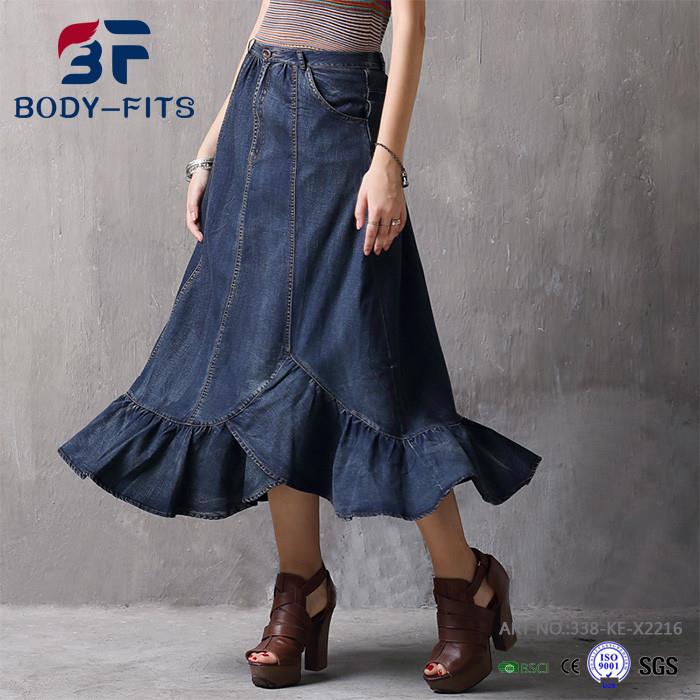
- Simple Skirts: A simple skirt with a basic design, such as a pencil skirt or a mini skirt, can be produced in as little as 1-2 weeks. This includes design, fabric sourcing, pattern making, cutting, sewing, and quality control.
- Moderately Complex Skirts: Skirts with more complex designs, such as a Asymmetric Short Skirt or a skirt with a few embellishments, may take 2-4 weeks to produce. The additional time is required for more detailed design work, fabric sourcing, and sewing.
- Highly Complex Skirts: Skirts with intricate designs, such as a ball gown skirt or a skirt with extensive embroidery and beading, can take 4-8 weeks or even longer to produce. These skirts require a high level of skill and attention to detail, and the production process is more time-consuming.
Conclusion
In conclusion, the time it takes to make a skirt depends on several factors, including the design complexity, fabric sourcing, pattern making, cutting, sewing, and quality control. As a skirt supplier, I understand the importance of delivering high-quality skirts in a timely manner. We work closely with our design team, fabric suppliers, and production staff to ensure that each skirt is made to the highest standards and is delivered on time.
If you're interested in purchasing skirts for your retail store or fashion brand, I encourage you to contact us for a quote. We offer a wide range of skirt styles and fabrics to meet your needs, and we're committed to providing excellent customer service. Let's work together to create beautiful skirts that will make a statement in the fashion industry.
References
- Fashion Industry Handbook: A Guide to Production and Sourcing
- Textile Manufacturing Processes and Technology
- Pattern Making for Fashion Designers